





Public art and buildings
Public art in its loosest sense covers any art works that are openly accessible to the public, or set within the public realm. such as sculptures in parks, murals on the outside of buildings and so fourth. English Heritage states the public realm. ‘…relates to all parts of the built environment where the public has free access. It encompasses: all streets, squares, and other rights of way, whether predominantly in residential, commercial or civic uses...’
Public art more specifically usually (but not always) refers to works of art that are commissioned by for example a local council as part of a development scheme, through a public arts programme or by individual donors. Sometimes the term might be used to describe art intervention carried out without permission, but have come to be appreciated and retained though this is normally referred to a street art. One example of this might be piece painted by Banksy on a Bristol Council office building without permission, a public vote organised by the council gained 98% in favour of keeping the work, so it was retained and may perhaps now be referred to public art.
In the UK public art pieces may be funded b a number of different routes. Public art in new developments might be funded through what is called a section 106 agreement or through the more recently adopted Community Infrastructure Levy (CIL). The former is a funding allocation that might be required as part of the approval for a new development or building to provide facilities for the community in the local area, the CIL is in effect the same principle but becomes a council fund that can be combined for larger interventions or spent in other areas than the immediate vicinity of the new development. Other possible funding routes may be through the Arts Council England and other institutions as well as through the National Lottery fund.
In the US a well know example of a public arts programme ran from the end of 1933 the middle of 1934, it was called the Public Works of Art Project (PWAP). At this time the US was affected by the Great Depression, the PWAP a work-relief program, employed professional artists to create sculptures, paintings, crafts and design for public buildings, which amounted to 3,749 artists producing some 15,663 works of art.
[edit] Related articles on Designing Buildings
- Art Deco.
- Art in the built environment.
- Art Moderne.
- Art Nouveau.
- Arts and craft movement.
- Bauhaus.
- Beaux Arts style.
- Coal holes, pavement lights, kerbs and utilities and wood-block paving.
- Conservation, climbing and graffiti.
- Different types of murals.
- Floorscape in art and design.
- Julian Opie Art Wall CitizenM Tower of London Hotel
- Trompe l'oeil murals.
- Nuclear Dawn mural, Brixton.
- Placemaking.
- Trompe l’oeil.
Featured articles
Check out some of the best features and news from Designing Buildings as well as key stories from around the web.
Building Safety Regulator, 19 August

Gill Kernick appointed Independent Chair of Residents’ Panel.
Connecting knowledge, technology and conservation
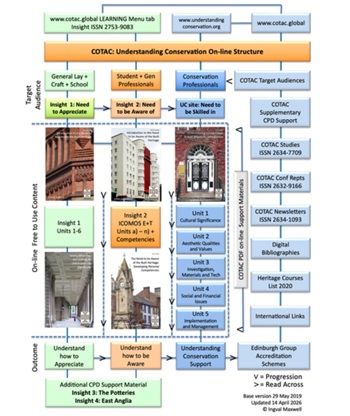
Building competence for the future of built heritage.
Building Regulations and Building Safety Act
CIOB publishes free advice for non-domestic clients.
Building Safety Newsletter from MHCLG.
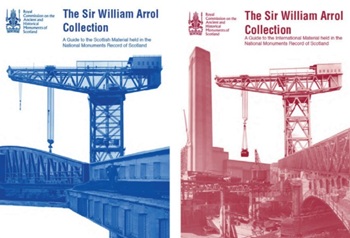
An extraordinary record of steel engineering worldwide.
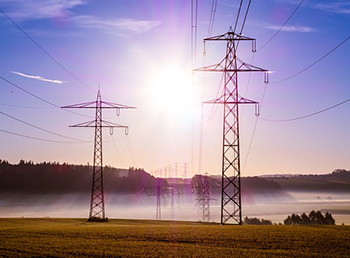
Households living near new pylons to save on bills.

ECA warns growth must not outpace grid capacity or skills.
The role of the client and decision making

CIOB response to built environment professions call for evidence.
Construction's sustainability reporting revolution
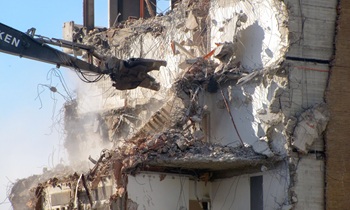
Tracking upfront embodied carbon with digital tools.
ECA welcomes procurement reforms
Public spending must back British jobs and skills.
Campaigning for Edinburgh: the Cockburn Association 1875-2049
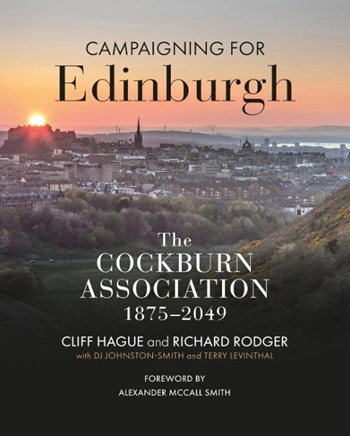
The role of the civic voice in protecting character. Book review.
CIOB photography competition is open for entries.